
154 countries
(and areas)
 - Belize
- Benin
- Bhutan
- Bolivia
- Bonaire
- Bosnia and Herzegovina
- Botswana
- Brazil
- British Virgin Islands
- Brunei
- Bulgaria
- Cambodia
- Canada
- Cape Verde
- Chile
- China
- Costa Rica
- Croatia
- Cuba
- Curacao
- Cyprus
- Czech Republic
- Denmark
- Dominica
- Dominican Republic
- Egypt
- El Salvador
- England
- Estonia
- Eswatini (Swaziland)
- Ethiopia
- Fiji
- Finland
- France
- French Guiana
- Georgia
- Germany
- Gibraltar
- Greece
- Grenada
- Guadeloupe
- Guatemala
- Honduras
- Hong Kong
- Hungary
- Iceland
- India
- Indonesia
- Iran
- Ireland
- Israel
- Italy
- Jamaica
- Japan
- Jordan
- Kazakhstan
- Kenya
- Kosovo
- Kuwait
- Kyrgyzstan
- Laos
- Latvia
- Lebanon
- Lesotho
- Liechtenstein
- Lithuania
- Luxembourg
- Macau
- Madagascar
- Malawi
- Malaysia
- Maldives
- Malta
- Martinique
- Mexico
- Moldova
- Monaco
- Mongolia
- Montenegro
- Morocco
- Mozambique
- Namibia
- Nepal
- Netherlands
- New Zealand
- Nicaragua
- North Macedonia
- Northern Ireland
- Norway
- Oman
- Pakistan
- Palestine
- Peru
- Philippines
- Poland
- Portugal
- Qatar
- Republic of Korea
- Romania
- Russia
- Saint Kitts and Nevis
- Saint Lucia
- Saint Martin
- Saint Vincent and the Grenadines
- San Marino
- São Tomé and Principe
- Saudi Arabia
- Scotland
- Senegal
- Serbia
- Singapore
- Sint Maarten
- Slovakia
- Slovenia
- South Africa
- Spain
- Sri Lanka
- Suriname
- Sweden
- Switzerland
- Tajikistan
- Tanzania
- Thailand
- The Gambia
- Tibet
- Togo
- Transnistria
- Trinidad and Tobago
- Tunisia
- Turkey
- Turkmenistan
- Uganda
- United Arab Emirates
- United States
- Uruguay
- Uzbekistan
- Vatican City
- Vietnam
- Wales
- Zambia
- Zanzibar
- Belize
- Benin
- Bhutan
- Bolivia
- Bonaire
- Bosnia and Herzegovina
- Botswana
- Brazil
- British Virgin Islands
- Brunei
- Bulgaria
- Cambodia
- Canada
- Cape Verde
- Chile
- China
- Costa Rica
- Croatia
- Cuba
- Curacao
- Cyprus
- Czech Republic
- Denmark
- Dominica
- Dominican Republic
- Egypt
- El Salvador
- England
- Estonia
- Eswatini (Swaziland)
- Ethiopia
- Fiji
- Finland
- France
- French Guiana
- Georgia
- Germany
- Gibraltar
- Greece
- Grenada
- Guadeloupe
- Guatemala
- Honduras
- Hong Kong
- Hungary
- Iceland
- India
- Indonesia
- Iran
- Ireland
- Israel
- Italy
- Jamaica
- Japan
- Jordan
- Kazakhstan
- Kenya
- Kosovo
- Kuwait
- Kyrgyzstan
- Laos
- Latvia
- Lebanon
- Lesotho
- Liechtenstein
- Lithuania
- Luxembourg
- Macau
- Madagascar
- Malawi
- Malaysia
- Maldives
- Malta
- Martinique
- Mexico
- Moldova
- Monaco
- Mongolia
- Montenegro
- Morocco
- Mozambique
- Namibia
- Nepal
- Netherlands
- New Zealand
- Nicaragua
- North Macedonia
- Northern Ireland
- Norway
- Oman
- Pakistan
- Palestine
- Peru
- Philippines
- Poland
- Portugal
- Qatar
- Republic of Korea
- Romania
- Russia
- Saint Kitts and Nevis
- Saint Lucia
- Saint Martin
- Saint Vincent and the Grenadines
- San Marino
- São Tomé and Principe
- Saudi Arabia
- Scotland
- Senegal
- Serbia
- Singapore
- Sint Maarten
- Slovakia
- Slovenia
- South Africa
- Spain
- Sri Lanka
- Suriname
- Sweden
- Switzerland
- Tajikistan
- Tanzania
- Thailand
- The Gambia
- Tibet
- Togo
- Transnistria
- Trinidad and Tobago
- Tunisia
- Turkey
- Turkmenistan
- Uganda
- United Arab Emirates
- United States
- Uruguay
- Uzbekistan
- Vatican City
- Vietnam
- Wales
- Zambia
- Zanzibar


Copyright 2004 - 2026
Veeronline.nl Travel Adventures
Home > Jamaica > The Reggae Island Jamaica > Travelogue day 4
Travelogue The Reggae Island Jamaica
March 318 2017 (16 days)
Jamaica > City tour through Kingston
Dag 4 - Monday, March 6, 2017This morning, the view is less beautiful than yesterday. It’s cloudy today. The boy who carries my luggage to the bus tells me that this usually means rain is coming. His prediction comes true quickly as I head toward the Jamaican capital, Kingston. A light drizzle rattles against the windows, giving the scenery outside an instantly gloomier appearance. A shame, but it’s also fortunate that I’m experiencing this weather on a travel day rather than yesterday.

The bus stops briefly at a fruit stall. Patricia shows me all the fruit in the stall. She lets me taste the star apple, a pineapple, and a naseberry. A little further on, we stop at a sort of fast-food center. The specialty here is patties—a pastry filled with curried chicken or beef, somewhat like a cheese soufflé. Delicious. Around 12:30, I enter Kingston. It’s still raining. I pass enormous industrial areas near the harbor. Elsewhere in Jamaica, I hadn’t seen factories like these. In the city center, the bus takes me on a city tour. Via King Street, I cross downtown Kingston. Despite the weather, many people are out on the streets. At National Heroes Park, I witness the changing of the guard. Seven heroes from Jamaican history are buried in this park. On the edge of the city lies Devon House, built in 1881 by Jamaica’s first black millionaire, George Stiebel. Barbara is my guide in the house. With one hand in a cast from slipping at home, she tells me about the house, its residents, and what can be seen in each room. There is also an art exhibition in the house. The artworks around the theme of slavery sometimes raise more questions than answers for me. What is it supposed to represent? Barbara looks on, somewhat questioningly. Around the house, various small restaurants have been set up in the former staff quarters. The ice cream vendor is especially famous. I order a cone. An impressively large scoop of ice cream is placed on it. In the Beverly Hills neighborhood, Kingston’s wealthy residents live.

The neighborhood clings to the hills. From the upper side, I have a view of Kingston and the Port Royal peninsula. By now, it has dried up. The cloudy sky above the city still looks somewhat threatening. Via the Bob Marley statue, I drive to the peninsula. At the end of the peninsula lies the town of Port Royal. In the past, pirates retreated to this naturally formed bay. Fort Charles, at the very tip of the peninsula, provided defense for the pirates. The fort still has many cannons. Inside, objects recovered from the bay are displayed—many of them looted by pirates. Late in the afternoon, I arrive at the Grant Royal Hotel. On the terrace overlooking the bay, I order a drink. As darkness slowly falls, I watch the lights of Kingston on the other side of the bay slowly turn on. Suddenly, one of the staff comes to ask if I’d like to go inside. They are spraying around the bar to ward off mosquitoes. A pest controller uses a spraying cannon to cover all the spots. Even indoors, the pungent smell is noticeable. After five minutes, it’s safe again, and I can go back outside. In the evening, I go to eat in Port Royal. At the only restaurant, specialized in seafood, a sign at the entrance indicates that no fish is left—only shrimp and lobster. The group splits up, as not everyone wants this. I go inside and take a seat at a table. My jerk shrimp tastes excellent.
 Jamaica
  Massage on the beach
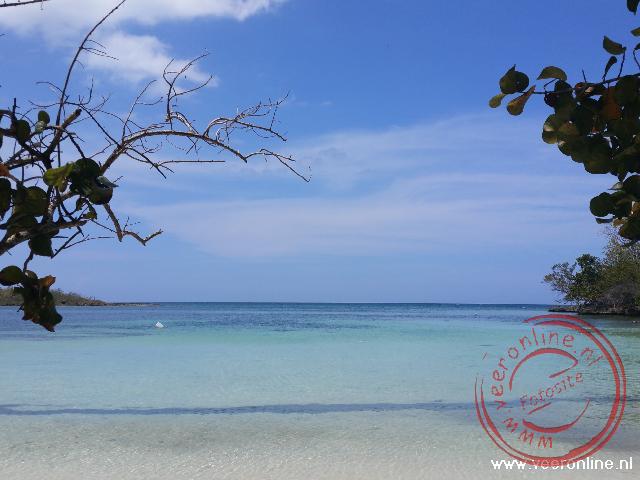 Relaxing in the hammock
 Exploring a cave along the coast
 Rafting down the river on a bamboo raft
Travelogue The Reggae Island Jamaica
Dag 2 | Jamaica > A visit to a community
Dag 3 | Jamaica > Swimming at the YS Falls
Dag 4 | Jamaica > City tour through Kingston
Dag 5 | Jamaica > Hiking in the Blue Mountains
Dag 6 | Jamaica > The bus breaks down
Dag 7 | Jamaica > On a raft on the Rio Grande
Dag 8 | Jamaica > To climb Dunn's River Falls or not?
Dag 9 | Jamaica > The historic town of Falmouth
Dag 10 | Jamaica > To the Gospel church
Dag 11 | Jamaica > Cliff jumpers at Rick's Café
Dag 12 | Jamaica > Snorkeling at Half Moon Bay
Dag 13 | Jamaica > Climbing the Mayfield Falls
Dag 14 | Jamaica > Swimming with dolphins
Dag 15 | Jamaica > Uncertainty about the flight
Dag 16 | Jamaica > Extra baggage check