
154 countries
(and areas)
 - Belize
- Benin
- Bhutan
- Bolivia
- Bonaire
- Bosnia and Herzegovina
- Botswana
- Brazil
- British Virgin Islands
- Brunei
- Bulgaria
- Cambodia
- Canada
- Cape Verde
- Chile
- China
- Costa Rica
- Croatia
- Cuba
- Curacao
- Cyprus
- Czech Republic
- Denmark
- Dominica
- Dominican Republic
- Egypt
- El Salvador
- England
- Estonia
- Eswatini (Swaziland)
- Ethiopia
- Fiji
- Finland
- France
- French Guiana
- Georgia
- Germany
- Gibraltar
- Greece
- Grenada
- Guadeloupe
- Guatemala
- Honduras
- Hong Kong
- Hungary
- Iceland
- India
- Indonesia
- Iran
- Ireland
- Israel
- Italy
- Jamaica
- Japan
- Jordan
- Kazakhstan
- Kenya
- Kosovo
- Kuwait
- Kyrgyzstan
- Laos
- Latvia
- Lebanon
- Lesotho
- Liechtenstein
- Lithuania
- Luxembourg
- Macau
- Madagascar
- Malawi
- Malaysia
- Maldives
- Malta
- Martinique
- Mexico
- Moldova
- Monaco
- Mongolia
- Montenegro
- Morocco
- Mozambique
- Namibia
- Nepal
- Netherlands
- New Zealand
- Nicaragua
- North Macedonia
- Northern Ireland
- Norway
- Oman
- Pakistan
- Palestine
- Peru
- Philippines
- Poland
- Portugal
- Qatar
- Republic of Korea
- Romania
- Russia
- Saint Kitts and Nevis
- Saint Lucia
- Saint Martin
- Saint Vincent and the Grenadines
- San Marino
- São Tomé and Principe
- Saudi Arabia
- Scotland
- Senegal
- Serbia
- Singapore
- Sint Maarten
- Slovakia
- Slovenia
- South Africa
- Spain
- Sri Lanka
- Suriname
- Sweden
- Switzerland
- Tajikistan
- Tanzania
- Thailand
- The Gambia
- Tibet
- Togo
- Transnistria
- Trinidad and Tobago
- Tunisia
- Turkey
- Turkmenistan
- Uganda
- United Arab Emirates
- United States
- Uruguay
- Uzbekistan
- Vatican City
- Vietnam
- Wales
- Zambia
- Zanzibar
- Belize
- Benin
- Bhutan
- Bolivia
- Bonaire
- Bosnia and Herzegovina
- Botswana
- Brazil
- British Virgin Islands
- Brunei
- Bulgaria
- Cambodia
- Canada
- Cape Verde
- Chile
- China
- Costa Rica
- Croatia
- Cuba
- Curacao
- Cyprus
- Czech Republic
- Denmark
- Dominica
- Dominican Republic
- Egypt
- El Salvador
- England
- Estonia
- Eswatini (Swaziland)
- Ethiopia
- Fiji
- Finland
- France
- French Guiana
- Georgia
- Germany
- Gibraltar
- Greece
- Grenada
- Guadeloupe
- Guatemala
- Honduras
- Hong Kong
- Hungary
- Iceland
- India
- Indonesia
- Iran
- Ireland
- Israel
- Italy
- Jamaica
- Japan
- Jordan
- Kazakhstan
- Kenya
- Kosovo
- Kuwait
- Kyrgyzstan
- Laos
- Latvia
- Lebanon
- Lesotho
- Liechtenstein
- Lithuania
- Luxembourg
- Macau
- Madagascar
- Malawi
- Malaysia
- Maldives
- Malta
- Martinique
- Mexico
- Moldova
- Monaco
- Mongolia
- Montenegro
- Morocco
- Mozambique
- Namibia
- Nepal
- Netherlands
- New Zealand
- Nicaragua
- North Macedonia
- Northern Ireland
- Norway
- Oman
- Pakistan
- Palestine
- Peru
- Philippines
- Poland
- Portugal
- Qatar
- Republic of Korea
- Romania
- Russia
- Saint Kitts and Nevis
- Saint Lucia
- Saint Martin
- Saint Vincent and the Grenadines
- San Marino
- São Tomé and Principe
- Saudi Arabia
- Scotland
- Senegal
- Serbia
- Singapore
- Sint Maarten
- Slovakia
- Slovenia
- South Africa
- Spain
- Sri Lanka
- Suriname
- Sweden
- Switzerland
- Tajikistan
- Tanzania
- Thailand
- The Gambia
- Tibet
- Togo
- Transnistria
- Trinidad and Tobago
- Tunisia
- Turkey
- Turkmenistan
- Uganda
- United Arab Emirates
- United States
- Uruguay
- Uzbekistan
- Vatican City
- Vietnam
- Wales
- Zambia
- Zanzibar


Copyright 2004 - 2026
Veeronline.nl Travel Adventures
links

Home > India 
3 Travel adventures India

Diwali in India
6 - 14 november 2023 (9 days)The streets are quiet on the way to Assi Ghat, the place where I also met the guide yesterday. Boats depart for trips on the Ganges. Many boatmen are eager to get me on board. The ceremony site is deserted. Women are cleaning the candelabras from last night’s ceremony under a tree. Shiwan approaches. He can easily pick me out. There are only a handful of tourists here. Together we walk along the Ghats, the famous steps where Hindus bathe in the Ganges. I see several people washing themselves in the holy river. “Don’t take photos of bathing women,” Shiwan asks me. They can get upset about that.
 India
India 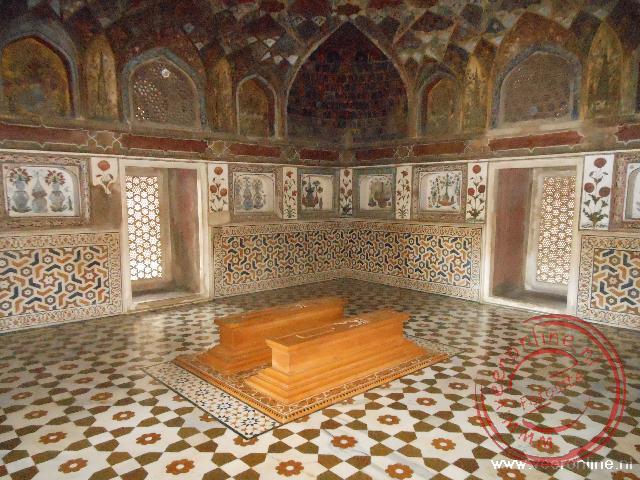 The tomb of Mirza Ghiyath Beg in the ItimadudDaulah Baby Taj
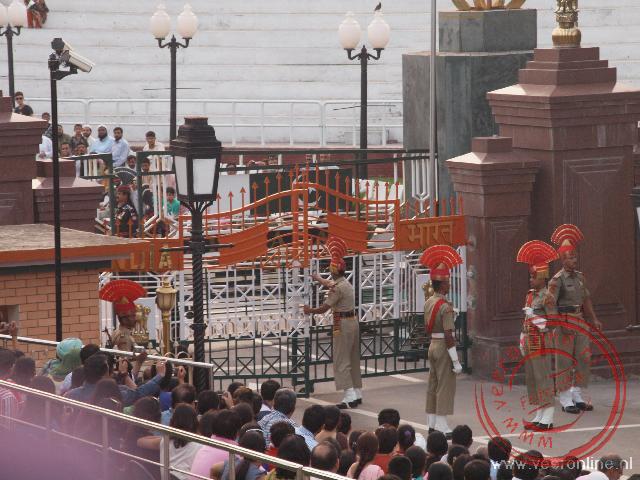 The border is officially closed for today
 The Assi Ghat is one of the busiest ghats in Varanasi
 The passage between courtyards within Jaipurs City Palace
A Business Visit to India
3 februari 2018 - 9 februari 2018 (7 days)I get out at the Aga Khan Palace. This beautifully designed palace was built in 1892 on the orders of Sultan Mohammed Shah. However, it owes its fame to the fact that Mahatma Gandhi was arrested during an uprising against British rule and kept under house arrest here for 21 months. His wife and his secretary died in the palace during that time. On 6 May 1944, the British released Gandhi, wanting to avoid the possibility of him dying in captivity. Three years later, India became independent. In the palace gardens lie the graves of Gandhi, his wife, and his secretary. For many Indians, this is a true place of pilgrimage. It is special to visit a site with such significance in India’s history.

Ladakh Little Tibet
20 juli - 15 augustus 2012 (27 days)Sonnu drives the Jeep slowly over the bumpy mountain road. Gradually, the top of the Khardung La Pass comes into view. When I get out at the top, I’m standing at 5,602 meters altitude. The highest motorable pass in the world. I’ve never been this high before. I take a few photos. Countless prayer flags flutter on the mountain top. I grab my mountain bike, put on my helmet, and begin the descent to Leh. The road is full of bumps and potholes. I ride carefully. I have to brake hard to avoid picking up too much speed. It’s wonderful to cycle like this. Meanwhile, I enjoy the spectacular views of the valley.
Travel videos
Video: Bucket List Tip: Taj Mahal
The most famous mausoleum in the world