
154 countries
(and areas)
 - Azerbaijan
- Bahrain
- Barbados
- Belgium
- Belize
- Benin
- Bhutan
- Bolivia
- Bonaire
- Bosnia and Herzegovina
- Botswana
- Brazil
- British Virgin Islands
- Brunei
- Bulgaria
- Cambodia
- Canada
- Cape Verde
- Chile
- China
- Costa Rica
- Croatia
- Cuba
- Curacao
- Cyprus
- Czech Republic
- Denmark
- Dominica
- Dominican Republic
- Egypt
- El Salvador
- England
- Estonia
- Eswatini (Swaziland)
- Ethiopia
- Fiji
- Finland
- France
- French Guiana
- Georgia
- Germany
- Gibraltar
- Greece
- Grenada
- Guadeloupe
- Guatemala
- Honduras
- Hong Kong
- Hungary
- Iceland
- India
- Indonesia
- Iran
- Ireland
- Israel
- Italy
- Jamaica
- Japan
- Jordan
- Kazakhstan
- Kenya
- Kosovo
- Kuwait
- Kyrgyzstan
- Laos
- Latvia
- Lebanon
- Lesotho
- Liechtenstein
- Lithuania
- Luxembourg
- Macau
- Madagascar
- Malawi
- Malaysia
- Maldives
- Malta
- Martinique
- Mexico
- Moldova
- Monaco
- Mongolia
- Montenegro
- Morocco
- Mozambique
- Namibia
- Nepal
- Netherlands
- New Zealand
- Nicaragua
- North Macedonia
- Northern Ireland
- Norway
- Oman
- Pakistan
- Palestine
- Peru
- Philippines
- Poland
- Portugal
- Qatar
- Republic of Korea
- Romania
- Russia
- Saint Kitts and Nevis
- Saint Lucia
- Saint Martin
- Saint Vincent and the Grenadines
- San Marino
- São Tomé and Principe
- Saudi Arabia
- Scotland
- Senegal
- Serbia
- Singapore
- Sint Maarten
- Slovakia
- Slovenia
- South Africa
- Spain
- Sri Lanka
- Suriname
- Sweden
- Switzerland
- Tajikistan
- Tanzania
- Thailand
- The Gambia
- Tibet
- Togo
- Transnistria
- Trinidad and Tobago
- Tunisia
- Turkey
- Turkmenistan
- Uganda
- United Arab Emirates
- United States
- Uruguay
- Uzbekistan
- Vatican City
- Vietnam
- Wales
- Zambia
- Zanzibar
- Azerbaijan
- Bahrain
- Barbados
- Belgium
- Belize
- Benin
- Bhutan
- Bolivia
- Bonaire
- Bosnia and Herzegovina
- Botswana
- Brazil
- British Virgin Islands
- Brunei
- Bulgaria
- Cambodia
- Canada
- Cape Verde
- Chile
- China
- Costa Rica
- Croatia
- Cuba
- Curacao
- Cyprus
- Czech Republic
- Denmark
- Dominica
- Dominican Republic
- Egypt
- El Salvador
- England
- Estonia
- Eswatini (Swaziland)
- Ethiopia
- Fiji
- Finland
- France
- French Guiana
- Georgia
- Germany
- Gibraltar
- Greece
- Grenada
- Guadeloupe
- Guatemala
- Honduras
- Hong Kong
- Hungary
- Iceland
- India
- Indonesia
- Iran
- Ireland
- Israel
- Italy
- Jamaica
- Japan
- Jordan
- Kazakhstan
- Kenya
- Kosovo
- Kuwait
- Kyrgyzstan
- Laos
- Latvia
- Lebanon
- Lesotho
- Liechtenstein
- Lithuania
- Luxembourg
- Macau
- Madagascar
- Malawi
- Malaysia
- Maldives
- Malta
- Martinique
- Mexico
- Moldova
- Monaco
- Mongolia
- Montenegro
- Morocco
- Mozambique
- Namibia
- Nepal
- Netherlands
- New Zealand
- Nicaragua
- North Macedonia
- Northern Ireland
- Norway
- Oman
- Pakistan
- Palestine
- Peru
- Philippines
- Poland
- Portugal
- Qatar
- Republic of Korea
- Romania
- Russia
- Saint Kitts and Nevis
- Saint Lucia
- Saint Martin
- Saint Vincent and the Grenadines
- San Marino
- São Tomé and Principe
- Saudi Arabia
- Scotland
- Senegal
- Serbia
- Singapore
- Sint Maarten
- Slovakia
- Slovenia
- South Africa
- Spain
- Sri Lanka
- Suriname
- Sweden
- Switzerland
- Tajikistan
- Tanzania
- Thailand
- The Gambia
- Tibet
- Togo
- Transnistria
- Trinidad and Tobago
- Tunisia
- Turkey
- Turkmenistan
- Uganda
- United Arab Emirates
- United States
- Uruguay
- Uzbekistan
- Vatican City
- Vietnam
- Wales
- Zambia
- Zanzibar


Copyright 2004 - 2026
Veeronline.nl Travel Adventures
Home > Bulgaria > Hiking in Mountainous Bulgaria > Travelogue day 5
Travelogue Hiking in Mountainous Bulgaria
May 1827 2013 (10 days)
Bulgaria > On the way to Leshten
Dag 5 - Wednesday, June 22, 2013I pack my travel bag for a transfer to Leshten, but first, there’s a beautiful walk on the program. The bus drops me off at the large dam. From here, I follow an asphalt path into the mountains. This is the route to the Orpheus chalet. The path is sometimes blocked by fallen trees and rocks.

I step over them, surprised that they haven’t been cleared. The path winds slowly upward. In some places, boulders block the entire path. I clamber over the fallen stones, which gives the route a unique character. Suddenly, I face a massive pile of rocks, about five meters high. It’s not immediately clear how to climb over this obstacle. I decide to go over the top. As I lean on a fallen tree trunk, it snaps in two—the tree is completely rotten. I climb cautiously onward. From above, I can determine the best route to safely overcome this rock avalanche. Since I’m in front, I know the other travelers still have to face this obstacle. I leave a note for them, praising their effort. I continue to the chalet, where I wait for the entire group to regroup. The note motivates many of the climbers. After a short break, I continue toward Borino. Svetoslava emphasized staying behind her because the route from here goes through the forest.

As soon as she takes a path, the route steeply ascends among the pine trees. A narrow trail leads me via a challenging climb to a mid-level plateau. I take it slow during the half-hour climb. At the top, it’s time for lunch. I enjoy my packed lunch. Then I hike the last stretch of today’s route—the descent to Borino. At a café on the main street, I order a drink. The café overlooks the local football field. Afterward, the bus driver takes me to Leshten in about two hours. In Leshten, I stay in a traditional house that has been fully restored. There’s some initial confusion about the number of single beds, which is quickly resolved. I stay in a house with a spacious living room, dining room, and upstairs sleeping quarters for four people. The entire house is traditionally built from stone and wood. From the large balcony, I have a view over the old village. The house right next door has not withstood the test of time—it has collapsed. Apparently, my house was used as a set in the 2012 film The Foreigner, in which a French student falls in love with a Bulgarian village girl. In the centrally located restaurant, I order a drink. This is also where the meals are served: a salad to start, cordon bleu with fries, and pumpkin for dessert. A fine meal. I linger in the restaurant until the owner starts clearing the tables—it seems it’s time for bed. I walk through the dark streets back to my house. In this special location, I will sleep very well.
 Bulgaria
  Bulgarian youths gather near the hotel
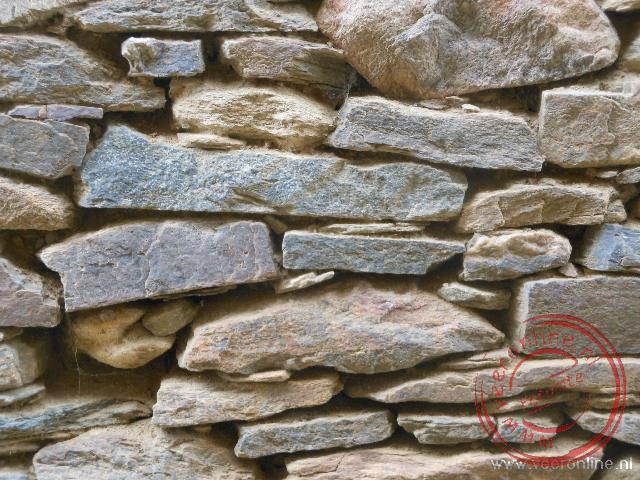 A wall of a house in Kovachevitsa
 The mountain path is blocked by boulders
 The village of Yagodina
Travelogue Hiking in Mountainous Bulgaria
Dag 2 | Bulgaria > The Devil's Throat Cave
Dag 3 | Bulgaria > Through the Yagodina Cave
Dag 4 | Bulgaria > Local folklore
Dag 5 | Bulgaria > On the way to Leshten
Dag 6 | Bulgaria > The old village Kovachevitsa
Dag 7 | Bulgaria > The Rila Monastery
Dag 8 | Bulgaria > Exploring Sofia
Dag 9 | Bulgaria > Sofia tour part two
Dag 10 | Bulgaria > 'Good morning, wake-up call'