
154 countries
(and areas)
 - Belize
- Benin
- Bhutan
- Bolivia
- Bonaire
- Bosnia and Herzegovina
- Botswana
- Brazil
- British Virgin Islands
- Brunei
- Bulgaria
- Cambodia
- Canada
- Cape Verde
- Chile
- China
- Costa Rica
- Croatia
- Cuba
- Curacao
- Cyprus
- Czech Republic
- Denmark
- Dominica
- Dominican Republic
- Egypt
- El Salvador
- England
- Estonia
- Eswatini (Swaziland)
- Ethiopia
- Fiji
- Finland
- France
- French Guiana
- Georgia
- Germany
- Gibraltar
- Greece
- Grenada
- Guadeloupe
- Guatemala
- Honduras
- Hong Kong
- Hungary
- Iceland
- India
- Indonesia
- Iran
- Ireland
- Israel
- Italy
- Jamaica
- Japan
- Jordan
- Kazakhstan
- Kenya
- Kosovo
- Kuwait
- Kyrgyzstan
- Laos
- Latvia
- Lebanon
- Lesotho
- Liechtenstein
- Lithuania
- Luxembourg
- Macau
- Madagascar
- Malawi
- Malaysia
- Maldives
- Malta
- Martinique
- Mexico
- Moldova
- Monaco
- Mongolia
- Montenegro
- Morocco
- Mozambique
- Namibia
- Nepal
- Netherlands
- New Zealand
- Nicaragua
- North Macedonia
- Northern Ireland
- Norway
- Oman
- Pakistan
- Palestine
- Peru
- Philippines
- Poland
- Portugal
- Qatar
- Republic of Korea
- Romania
- Russia
- Saint Kitts and Nevis
- Saint Lucia
- Saint Martin
- Saint Vincent and the Grenadines
- San Marino
- São Tomé and Principe
- Saudi Arabia
- Scotland
- Senegal
- Serbia
- Singapore
- Sint Maarten
- Slovakia
- Slovenia
- South Africa
- Spain
- Sri Lanka
- Suriname
- Sweden
- Switzerland
- Tajikistan
- Tanzania
- Thailand
- The Gambia
- Tibet
- Togo
- Transnistria
- Trinidad and Tobago
- Tunisia
- Turkey
- Turkmenistan
- Uganda
- United Arab Emirates
- United States
- Uruguay
- Uzbekistan
- Vatican City
- Vietnam
- Wales
- Zambia
- Zanzibar
- Belize
- Benin
- Bhutan
- Bolivia
- Bonaire
- Bosnia and Herzegovina
- Botswana
- Brazil
- British Virgin Islands
- Brunei
- Bulgaria
- Cambodia
- Canada
- Cape Verde
- Chile
- China
- Costa Rica
- Croatia
- Cuba
- Curacao
- Cyprus
- Czech Republic
- Denmark
- Dominica
- Dominican Republic
- Egypt
- El Salvador
- England
- Estonia
- Eswatini (Swaziland)
- Ethiopia
- Fiji
- Finland
- France
- French Guiana
- Georgia
- Germany
- Gibraltar
- Greece
- Grenada
- Guadeloupe
- Guatemala
- Honduras
- Hong Kong
- Hungary
- Iceland
- India
- Indonesia
- Iran
- Ireland
- Israel
- Italy
- Jamaica
- Japan
- Jordan
- Kazakhstan
- Kenya
- Kosovo
- Kuwait
- Kyrgyzstan
- Laos
- Latvia
- Lebanon
- Lesotho
- Liechtenstein
- Lithuania
- Luxembourg
- Macau
- Madagascar
- Malawi
- Malaysia
- Maldives
- Malta
- Martinique
- Mexico
- Moldova
- Monaco
- Mongolia
- Montenegro
- Morocco
- Mozambique
- Namibia
- Nepal
- Netherlands
- New Zealand
- Nicaragua
- North Macedonia
- Northern Ireland
- Norway
- Oman
- Pakistan
- Palestine
- Peru
- Philippines
- Poland
- Portugal
- Qatar
- Republic of Korea
- Romania
- Russia
- Saint Kitts and Nevis
- Saint Lucia
- Saint Martin
- Saint Vincent and the Grenadines
- San Marino
- São Tomé and Principe
- Saudi Arabia
- Scotland
- Senegal
- Serbia
- Singapore
- Sint Maarten
- Slovakia
- Slovenia
- South Africa
- Spain
- Sri Lanka
- Suriname
- Sweden
- Switzerland
- Tajikistan
- Tanzania
- Thailand
- The Gambia
- Tibet
- Togo
- Transnistria
- Trinidad and Tobago
- Tunisia
- Turkey
- Turkmenistan
- Uganda
- United Arab Emirates
- United States
- Uruguay
- Uzbekistan
- Vatican City
- Vietnam
- Wales
- Zambia
- Zanzibar


Copyright 2004 - 2026
Veeronline.nl Travel Adventures

Home > Malaysia > Malaysian Borneo > Travelogue day 10
Travelogue Malaysian Borneo
December 15 2011 January 6 2012 (23 days)
Malaysia > Millions of bats in the Mulu Caves
Dag 10 - Saturday, December 24, 2011The airport of Miri is located a few kilometers outside the city. The plane to Mulu takes off at half past nine. It is a small propeller plane with space for sixty passengers. The flight to Mulu takes less than half an hour. By land, however, Mulu is hardly accessible

. There is no proper road through the rainforest to reach it. Mulu National Park is famous for its unique cave systems and is part of the UNESCO World Heritage List. At the small airport in Mulu, I am picked up by a resort staff member. He drives me in a very old Toyota minibus. Six people can ride per trip, so he must make three trips. I am amazed that the bus even runs. Through the holes in the floor, I can see the road. Wooden panels partially cover the sides. The back two benches are practically loose and slide back and forth when the bus accelerates. Finally, the sliding door comes off its rails if it isn’t opened very carefully. But none of this really matters. Mulu has only three kilometers of asphalt, and the bus never drives on any of it. The rooms are simple. There are two beds and a private shower and toilet. Walking outside, I notice the oppressive heat. The thermometer on my backpack shows only 26 degrees Celsius—the lowest temperature of this trip—but it is humid.
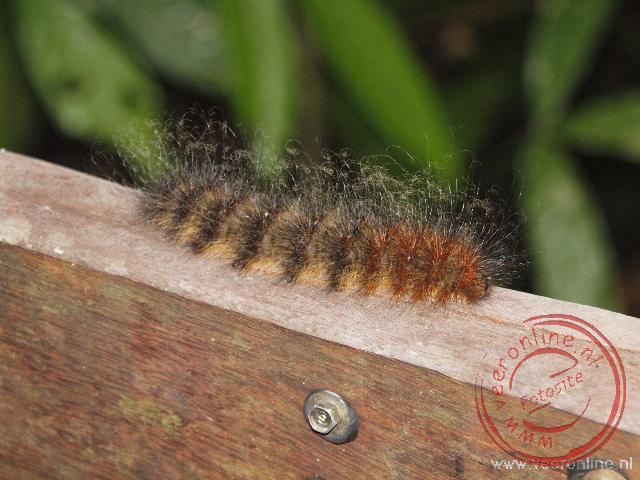
In the afternoon, I visit the caves of the National Park. The caves are located in Gunung Mulu, which rises 2,376 meters. The limestone caves of Mulu are among the largest and most beautiful in the world. Christopher accompanies me as my guide. I follow him along a wooden walkway—a trail on a wooden platform through the forest. This way, I avoid tree roots and muddy sections. It is a three-kilometer walk to the caves. Along the way, Christopher tells me about the insects, shrubs, and trees. He warns me to be careful when holding the handrail, as many caterpillars are on it. Their tiny hairs have barbs that can cause irritation and itching. Soon I see several creatures on the railing, each more beautiful than the last. When I reach the caves, I first enter the Long Cave—a cave system full of stalagmites and stalactites. Then I continue to Deer Cave, one of the largest caves in Mulu.

Deer Cave is also home to three million bats. As I enter, I can already smell the acidic scent of bat guano. An ammonia-like odor hits me. I make sure not to touch anything in the cave. The span of the cave is overwhelming. I estimate its height at more than one hundred meters and its width at several hundred meters. Water falls from the ceiling, beautifully illuminated by the incoming light. It is said that St. Paul’s Cathedral in London could easily be rebuilt inside this cave. The bats hang in clusters from the ceiling, still calm. As dusk approaches, they fly out in search of food. To watch this spectacle, I sit outside the cave on some benches. When it is dark enough, I see the first groups of bats emerging from the cave opening. Thousands of black dots swirl through the air like a garland. Gradually, it gets darker. Walking back to the headquarters at the park entrance, it is completely dark. The walkway is lit by lamps, allowing me to walk at a brisk pace—a refreshing change. In the evening, I eat in the canteen with rice, fish, chicken, and fries. Fellow travelers have decorated the table with brought streamers, tablecloths, and candles, creating a cozy Christmas Eve atmosphere.
 Malaysia
  Tua Pek Kong Temple is dedicated to the Taoist god Tua Pek Kong
 Our lunch being prepared in the open kitchen
 A butterfly on the flowering Ixora
 A beautiful Rhinoceros Hornbill in Borneo
Travelogue Malaysian Borneo
Dag 2 | Malaysia > Wandering through Kuching
Dag 3 | Malaysia > Meeting an orangutan
Dag 4 | Malaysia > The Lintang Trail in Bako National Park
Dag 5 | Malaysia > The Sarawak Museum in Kuching
Dag 6 | Malaysia > On the way to Sibu over the South China Sea
Dag 7 | Malaysia > Sleeping at the Iban host family
Dag 8 | Malaysia > Hiking through Similajau National Park
Dag 9 | Malaysia > The oil city Miri
Dag 10 | Malaysia > Millions of bats in the Mulu Caves
Dag 11 | Malaysia > Swimming near the Clearwater Cave
Dag 12 | Malaysia > Suspension bridge between the treetops
Dag 13 | Malaysia > Orangutans in the rain
Dag 14 | Malaysia > 'Welcome to the tropical rainforest'
Dag 15 | Malaysia > Leeches everywhere
Dag 16 | Malaysia > Local food in Kundasang
Dag 17 | Malaysia > The Poring Hot Springs
Dag 18 | Malaysia > Hiking in Mount Kinabalu National Park
Dag 19 | Malaysia > By boat to Pulau Tiga
Dag 20 | Malaysia > Bathing in the mud volcano
Dag 21 | Malaysia > Walking around Pulau Tiga National Park
Dag 22 | Malaysia > Relaxing on Survival Island
Dag 23 | Malaysia > Return flight to Schiphol